The 80/20 Rule of AI and the Workforce with Sastry Durvasula
October 29, 2026
Seat-based SaaS was built for humans working in a system of action. Agents don’t need one. In our latest episode of Architecting the AI Enterprise, we sit down with Sastry Durvasula, Chief Operating Officer at TIAA, to break down why per-seat licensing can’t survive agentic orchestration. We also cover how model-agnostic orchestration and tokenomics should shape LLM strategy, and how his 80/20 hypothesis reframes workforce and workflow transformation for incumbents running on decades of legacy architecture.We dig into Sastry’s model of the enterprise stack as systems of record, intelligence, and action, and why the action layer is the first to be disintermediated as agent-to-agent consumption scales. We debate whether model agnosticism means LLMs become a commodity, and when to burn down enterprise commitments versus pushing model selection to vendors.What You’ll Learn:How the 80/20 hypothesis applies to workforce and workflow transformation in a 100-year-old enterpriseHow the system of record, system of intelligence, and system of action model explain the future of SaaSWhy software vendors will have to disintermediate and cannibalize themselves to surviveHow to think about model-agnostic orchestration, tokenomics, and matching models to workloadsWhy technologists need to learn the business, and business leaders need to learn the techSastry Durvasula is the Chief Operating Officer at TIAA, the Fortune 100 retirement, asset management, and wealth management firm founded by Andrew Carnegie more than a century ago to serve teachers. His experience spans enterprise operations, business transformation, global technology, digital and client experience, client and fraud operations, and global capability centers. A software engineer and architect by training, Sastry led digital transformation at American Express, built the first digital strategy and organization at Marsh, and ran technology and digital at McKinsey while advising clients across financial services, insurance, private equity, and fintech.Highlights and YouTube Chapters:00:00 Welcome and Meet Sastry Durvasula01:18 From Software Engineer to Digital Transformation Leader05:56 Inside the COO Role07:30 How AI Will Reshape the Workforce08:12 The 80/20 Hypothesis10:03 Is AI Different Because It Competes with Human Cognition?12:06 Why AI Is Unprecedented, but Shouldn’t Be Overhyped14:31 Is SaaS Dead?19:29 Why Software Companies Must Cannibalize Themselves21:30 Burn Down Your LLM Commit or Let the Vendor Decide?22:52 Model-Agnostic Orchestration and Tokenomics24:01 Matching Models to Workloads and Job Families27:00 Probabilistic vs. Deterministic: Who Do You Trust?29:50 Remember the Human Baseline31:09 The Future of the CIO and the Technology Function35:03 Why Business Leaders Need to Learn Tech36:19 Security, Fraud, and Protecting Retirees38:41 The Interconnected Forces Behind AI Risk43:11 Lightning Round49:21 Let AI Make the Decisions You Forget to Make
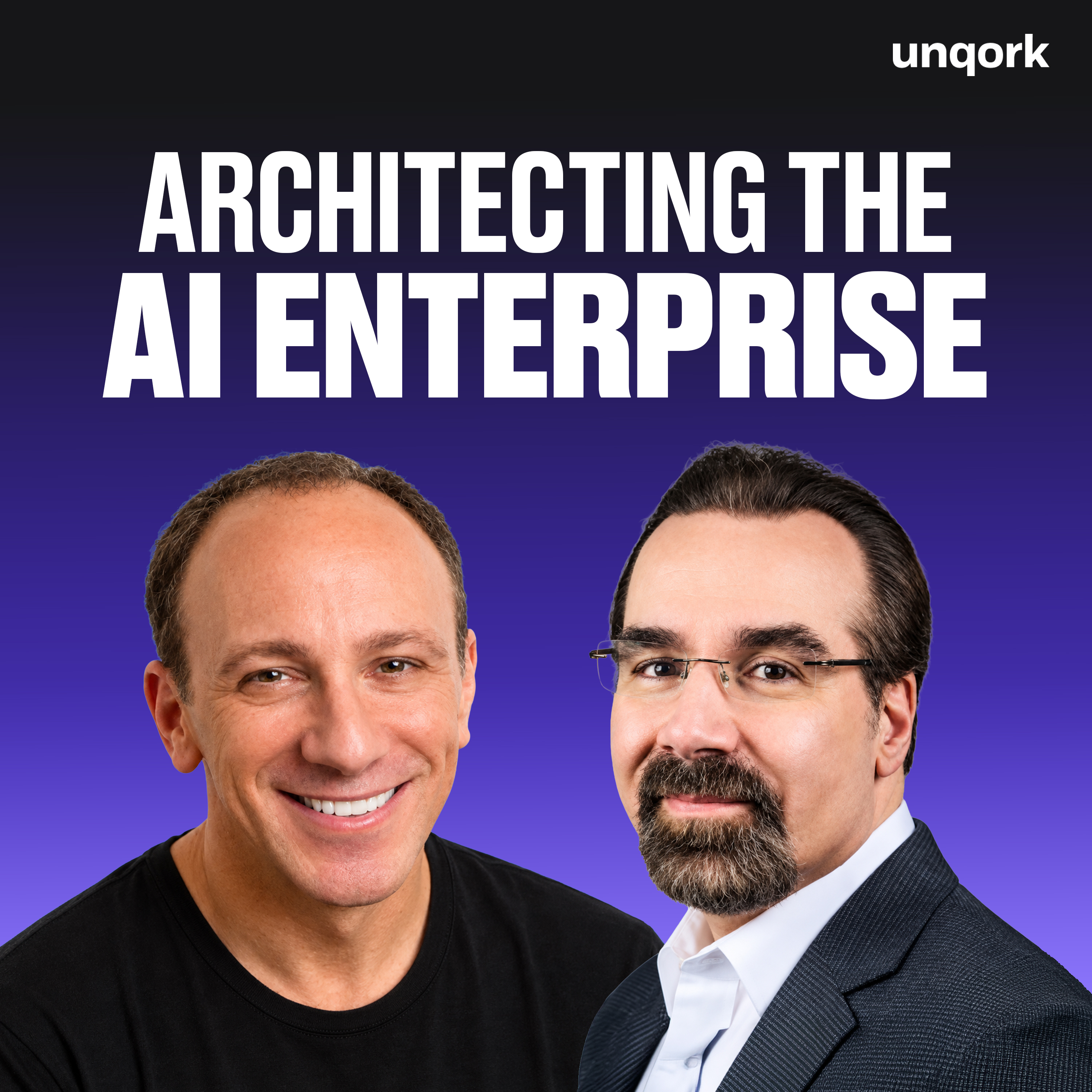
Seat-based SaaS was built for humans working in a system of action. Agents don’t need one. In our latest episode of Architecting the AI Enterprise, we sit down with Sastry Durvasula, Chief Operating Officer at TIAA, to break down why per-seat licensing can’t survive agentic orchestration. We also cover how model-agnostic orchestration and tokenomics should shape LLM strategy, and how his 80/20 hypothesis reframes workforce and workflow transformation for incumbents running on decades of legacy architecture.
We dig into Sastry’s model of the enterprise stack as systems of record, intelligence, and action, and why the action layer is the first to be disintermediated as agent-to-agent consumption scales. We debate whether model agnosticism means LLMs become a commodity, and when to burn down enterprise commitments versus pushing model selection to vendors.
What You’ll Learn:
- How the 80/20 hypothesis applies to workforce and workflow transformation in a 100-year-old enterprise
- How the system of record, system of intelligence, and system of action model explain the future of SaaS
- Why software vendors will have to disintermediate and cannibalize themselves to survive
- How to think about model-agnostic orchestration, tokenomics, and matching models to workloads
- Why technologists need to learn the business, and business leaders need to learn the tech
Sastry Durvasula is the Chief Operating Officer at TIAA, the Fortune 100 retirement, asset management, and wealth management firm founded by Andrew Carnegie more than a century ago to serve teachers. His experience spans enterprise operations, business transformation, global technology, digital and client experience, client and fraud operations, and global capability centers. A software engineer and architect by training, Sastry led digital transformation at American Express, built the first digital strategy and organization at Marsh, and ran technology and digital at McKinsey while advising clients across financial services, insurance, private equity, and fintech.
Highlights and YouTube Chapters:
- 00:00 Welcome and Meet Sastry Durvasula
- 01:18 From Software Engineer to Digital Transformation Leader
- 05:56 Inside the COO Role
- 07:30 How AI Will Reshape the Workforce
- 08:12 The 80/20 Hypothesis
- 10:03 Is AI Different Because It Competes with Human Cognition?
- 12:06 Why AI Is Unprecedented, but Shouldn’t Be Overhyped
- 14:31 Is SaaS Dead?
- 19:29 Why Software Companies Must Cannibalize Themselves
- 21:30 Burn Down Your LLM Commit or Let the Vendor Decide?
- 22:52 Model-Agnostic Orchestration and Tokenomics
- 24:01 Matching Models to Workloads and Job Families
- 27:00 Probabilistic vs. Deterministic: Who Do You Trust?
- 29:50 Remember the Human Baseline
- 31:09 The Future of the CIO and the Technology Function
- 35:03 Why Business Leaders Need to Learn Tech
- 36:19 Security, Fraud, and Protecting Retirees
- 38:41 The Interconnected Forces Behind AI Risk
- 43:11 Lightning Round
- 49:21 Let AI Make the Decisions You Forget to Make
Architecting the AI Enterprise is handcrafted by our friends over at:
fame.so