Cold Chain Masterclass Part 3: Engineering Design Strategies That Actually Work
January 26, 2026
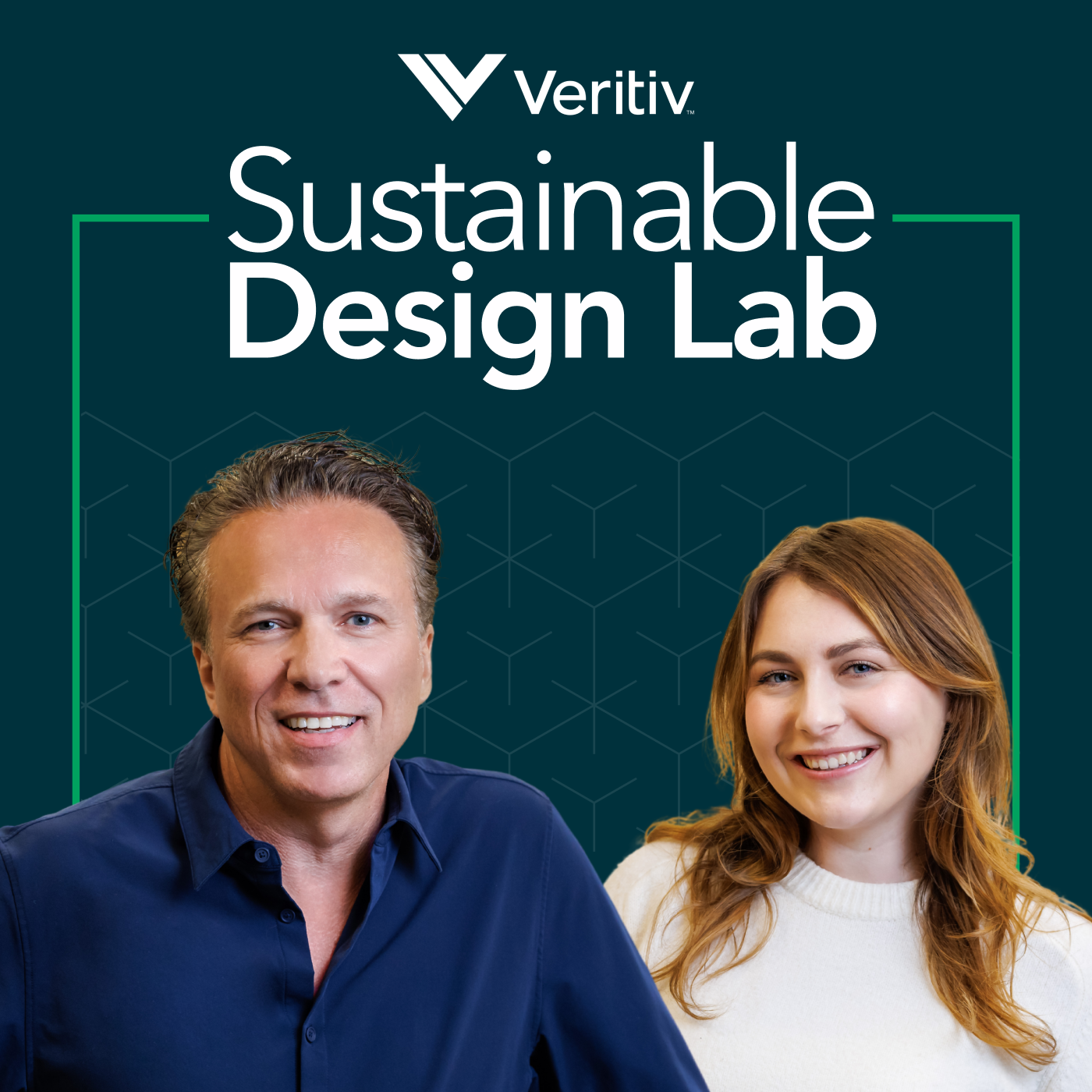
Welcome to the Sustainable Design Lab podcast by Veritiv. Hosted by Chris Bradley and Brodie Vander Dussen, this show is your go-to resource for cutting-edge insights into the world of sustainable packaging. Join us as we reimagine packaging innovation and turn every decision into a powerful act of sustainability.
In the final episode of the Cold Chain Packaging Masterclass, Chris and Brodie move from diagnosis to design. This conversation focuses on how cold chain systems should be engineered to tolerate real-world variability, not ideal lab conditions. Through ten practical design strategies, the episode explains why cold chain excellence comes from understanding failure, stabilizing systems, and removing hidden assumptions that quietly erode performance at scale.
The information presented in this episode is for general informational and educational purposes only and does not constitute legal advice.
Any references to recyclability in this episode are provided for general informational purposes only. Actual recyclability depends on local regulations and the availability of appropriate recycling facilities in your area. Please check with your local recycling program to confirm whether specific materials or packaging formats discussed can be recycled where you live.
Welcome to the Sustainable Design Lab podcast by Veritiv. Hosted by Chris Bradley and Brodie Vander Dussen, this show is your go-to resource for cutting-edge insights into the world of sustainable packaging. Join us as we reimagine packaging innovation and turn every decision into a powerful act of sustainability.
In the final episode of the Cold Chain Packaging Masterclass, Chris and Brodie move from diagnosis to design. This conversation focuses on how cold chain systems should be engineered to tolerate real-world variability, not ideal lab conditions. Through ten practical design strategies, the episode explains why cold chain excellence comes from understanding failure, stabilizing systems, and removing hidden assumptions that quietly erode performance at scale.
What You’ll Learn:
- Why cold chain design should begin with failure modes rather than material selection
- How designing for undefined “worst cases” drives cost, weight, and carbon without improving reliability
- Why repeatability, not validation, separates prototypes from engineered systems
- How small dimensional and mechanical tolerances quietly reduce thermal margin
- Why orientation dependence and PCM movement introduce invisible risk
- How stabilizing systems first reduces the need for excess insulation and energy
- What rightsizing reveals about system maturity, sustainability, and cost control
Chris Bradley is the Chief Marketing Officer at Veritiv, where he leads design, marketing, and sustainability with a focus on building recyclable, compostable, and reusable packaging systems. With more than 25 years of experience, he has driven innovation for leading CPG brands including Clorox, Colgate-Palmolive, Nestlé, and Procter & Gamble. Chris is an inventor with over 40 patents and a long track record of award-winning work in sustainable design. He is also a pioneer in reusable packaging, grounded in decades of hands-on experience bringing scalable solutions to market.
Brodie Vander Dussen is a sustainable packaging strategist focused on helping brands build responsible, future-ready packaging systems. With deep expertise across materials, substrates, and formats, she works across CPG, retail, and circular startups, combining technical insight with practical problem-solving. Brodie is an active voice in the sustainable packaging community through podcasting, education, and industry collaboration, and is a frequent speaker at global events including Paris Packaging Week and the Sustainable Packaging Innovation Forum.
The information presented in this episode is for general informational and educational purposes only and does not constitute legal advice.
Any references to recyclability in this episode are provided for general informational purposes only. Actual recyclability depends on local regulations and the availability of appropriate recycling facilities in your area. Please check with your local recycling program to confirm whether specific materials or packaging formats discussed can be recycled where you live.
Sustainable Design Lab is handcrafted by our friends over at: fame.so
Previous guests include: Sam Boex & Bella Collins of Flexi-Hex, Nathan Pajka of Metsä Board, John Felts of Cruz Foam
Check out our three most downloaded episodes:
Previous guests include: Sam Boex & Bella Collins of Flexi-Hex, Nathan Pajka of Metsä Board, John Felts of Cruz Foam
Check out our three most downloaded episodes: