5 Microsoft Defender Features that Help Stop Attacks Faster ft. Austin Kelly
August 20, 2026
Microsoft Defender is no longer just an endpoint antivirus.
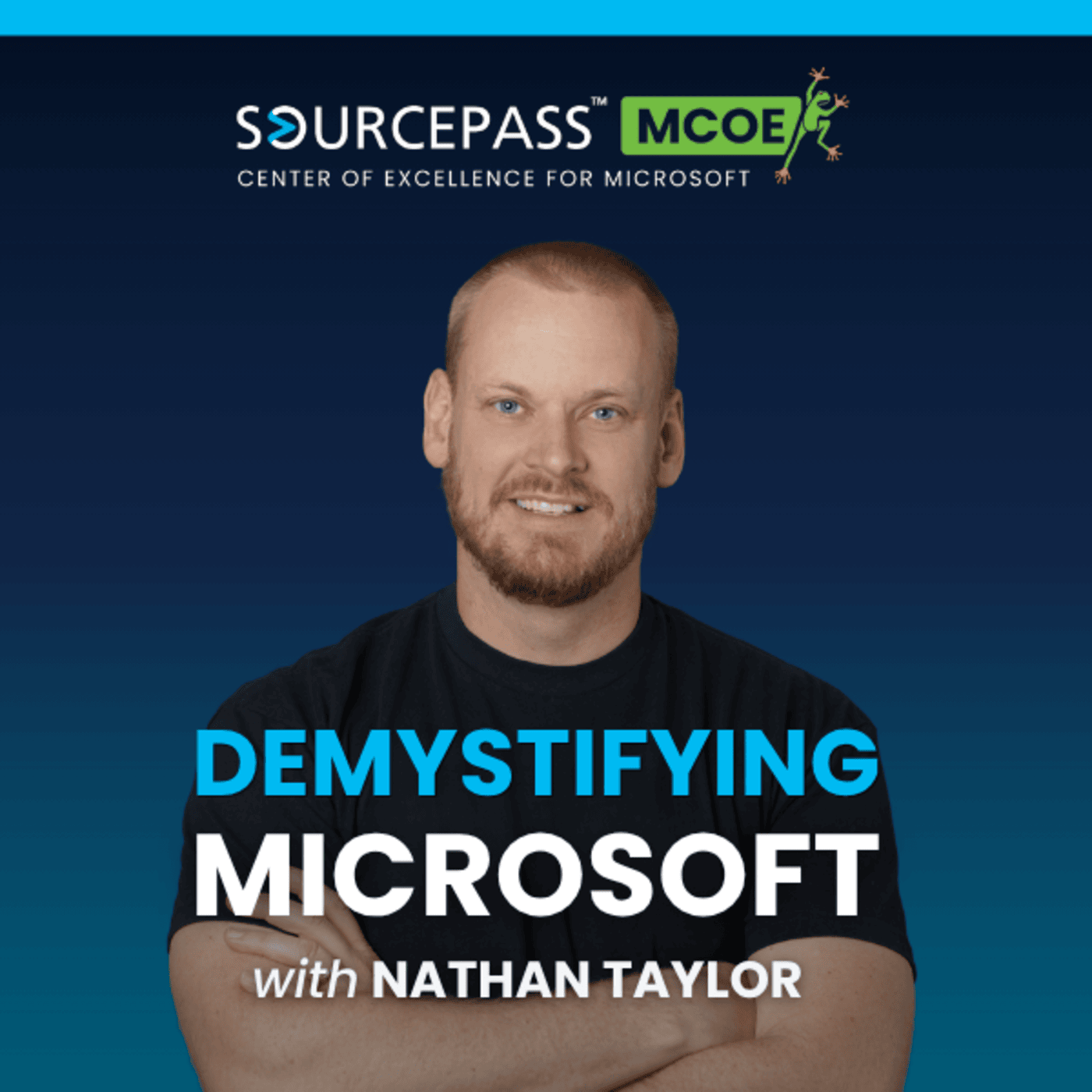
In this episode of Demystifying Microsoft, Austin Kelly from Sourcepass MCOE explains five Microsoft Defender features that help organizations stop attacks faster. He breaks down Attack Disruption, Unified XDR, email and collaboration protection, Exposure Management and data protection. He also covers where Microsoft Security Copilot fits in and how AI can help reduce investigation time for lean security teams without replacing human judgment.
Tune in to learn how Microsoft Defender helps connect alerts, prioritize real risk, protect Microsoft 365 collaboration tools and respond faster when attacks are already in motion
Modern security teams are not short on alerts. The bigger challenge is knowing what deserves attention first and responding before an incident spreads.
In this episode of Demystifying Microsoft, Austin Kelly from Sourcepass MCOE explains how Microsoft Defender has evolved beyond traditional antivirus into a broader security platform for identities, endpoints, email, collaboration tools, cloud applications and data. The episode covers five Microsoft Defender features that help organizations connect security signals, prioritize real risk, and respond faster to active threats.
What You’ll Learn:
- How Microsoft Defender has expanded beyond endpoint antivirus
- Why Attack Disruption matters when an attacker is already inside the environment
- How Unified XDR connects separate alerts into one security incident
- Why email, Teams, SharePoint and OneDrive remain major areas for attack prevention
- How Exposure Management helps prioritize vulnerabilities by actual risk
- Why vulnerability volume alone does not show what needs to be fixed first
- How Microsoft Defender can surface unusual data movement and insider risk
- Where Microsoft Security Copilot can support faster investigation without replacing security professionals
About the Host:
Austin Kelly is a Client Success Manager at Sourcepass MCOE, a company focused on helping organizations simplify, secure, and optimize their Microsoft environments. He works closely with businesses to evaluate licensing, improve security posture, and align Microsoft investments with real operational needs.
Episode Highlights:
02:04 Defender is More Than Antivirus
Austin explains why thinking of Defender purely as an endpoint antivirus misses most of what the platform now covers, including identities, email, cloud apps, devices and data.
03:03 Stopping an Attack While It Is Happening
Attack Disruption can automatically disable compromised accounts and contain affected devices. Austin explains why reducing the gap between detection and containment matters when attackers are trying to move laterally.
05:43 Protecting Collaboration
Email remains a common entry point, but the collaboration surface now extends across Outlook, Teams, SharePoint and OneDrive. Austin explains why protection needs to follow users across that stack.
07:36 Fix the Risks That Matter First
Finding hundreds of vulnerabilities is easy. Deciding which ones materially reduce risk is harder. Austin explains how Exposure Management helps IT prioritize accordingly.
09:01 Security Ultimately Comes Back to Data
Austin shifts the conversation from keeping attackers out to controlling where sensitive information goes. Unusual downloads, risky sharing, and suspicious user activity matter whether the cause is malicious or accidental.
Episode Resources:
Reach out to Sourcepass MCOE for a Microsoft Defender strategy that keeps up with the times: https://sourcepassmcoe.com/demystifying-microsoft-contact?utm_source=podcast&utm_medium=show-notes&utm_campaign=demystifying-microsoft-show
Quotes:
- “The problem isn’t finding those vulnerabilities. The problem is finding out which ones matter.”
- “Protecting the data itself is really what security is all about.”
- “AI isn’t replacing security professionals. It’s really helping them work smarter and respond faster.”
- “Microsoft Defender, it’s not just another antivirus product anymore. It is a security platform.”
Demystifying Microsoft is handcrafted by our friends over at: fame.so