Microsoft 365 Security Simplified: 8 Must‑Do Tenant Hardening Moves to Cut Breach Risk
June 9, 2026
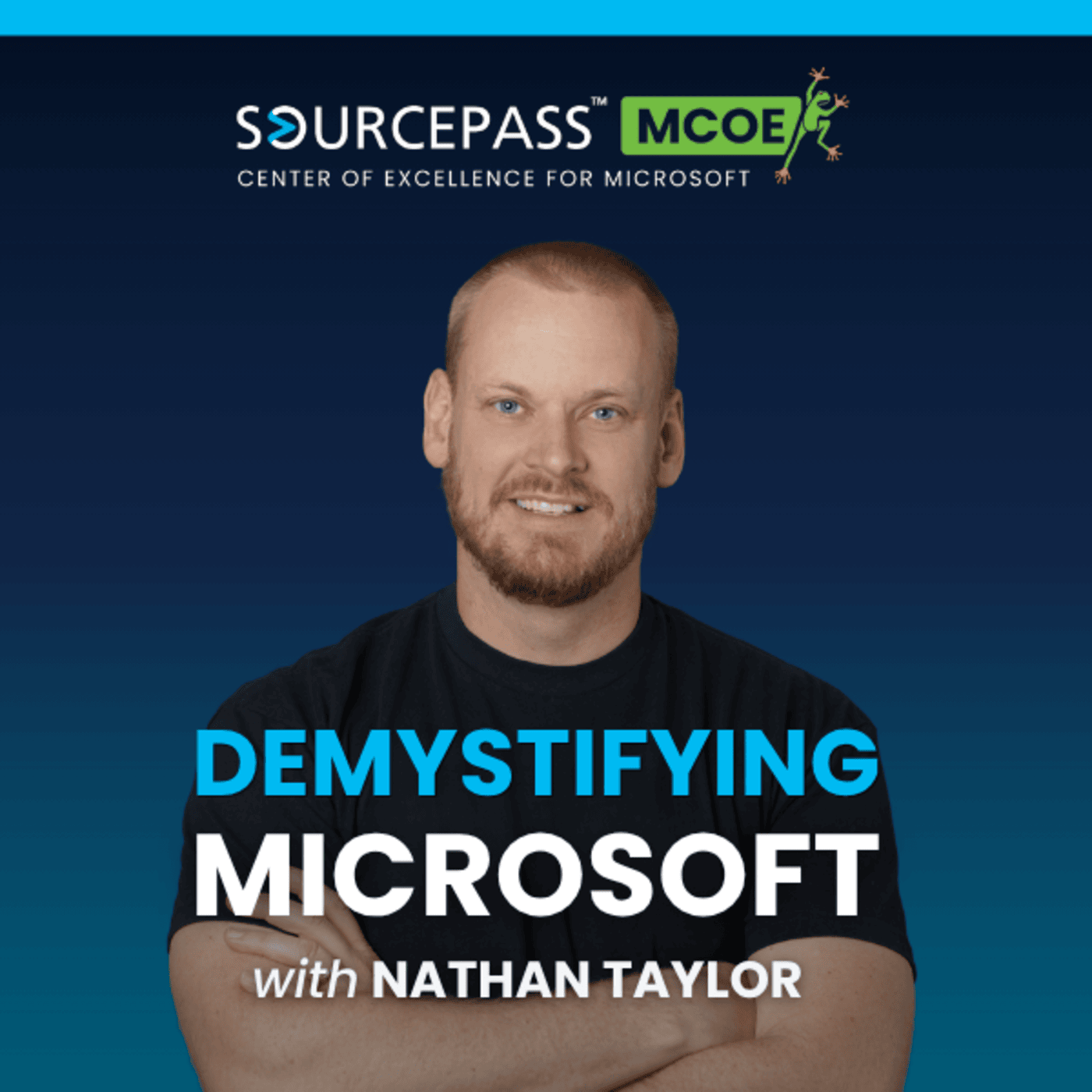
Nathan Taylor and Tracy Harper examine the rising tide of sophisticated phishing attacks, including the "direct send" exploit currently targeting tenants. They break down the Defender ecosystem from Endpoint to Office 365, explaining how Business Premium serves as a foundation for identity protection. This conversation provides a pragmatic roadmap for moving beyond basic MFA to a fully hardened and assessed environment.
In this episode, Nathan Taylor and Tracy Harper discuss the dramatic uptick in phishing volume and the sophisticated "direct send" exploits currently targeting tenants. They move beyond technical configurations to highlight the human element, sharing a cautionary tale about the devastating financial impact of business email compromise.
The discussion clarifies the often confusing Microsoft Defender landscape, comparing Defender for Business, Plan 1, and Plan 2 across both Endpoint and Office 365. You will understand how to leverage Business Premium as a comprehensive security foundation and why a holistic tenant assessment is the first step toward true resilience. Nathan and Tracy also provide actionable insights into Conditional Access Policies and the transition from basic security to a hardened posture that survives modern identity attacks.
What you’ll learn:
- The mechanics of "direct send" phishing attacks and why they bypass standard security controls.
- A breakdown of the Defender for Business vs. Plan 1 and Plan 2 licensing models.
- How Business Premium provides 85% of enterprise-level security for organizations under 300 seats.
- The eight critical Conditional Access Policies every tenant should implement to enforce identity protection.
- Why accounting controls and human verification remain the final line of defense against social engineering.
- How a holistic 365 security assessment identifies gaps in SharePoint, Teams, and email configuration.
About the Guest
Tracy Harper is a Client Success Manager at Sourcepass MCOE and has spent the last decade acting as a primary advocate for her clients. Drawing on her professional experience in the banking sector, she provides a pragmatic approach to risk management and identity protection. She is focused on simplifying the Microsoft landscape for organizations, ensuring they have the right tools and strategies to defend against sophisticated phishing attacks.
About the Host
Nathan Taylor is the Senior Vice President and Global Microsoft Practice Leader at Sourcepass, where he leads the Sourcepass Center of Excellence for Microsoft. His work is grounded in a simple idea: Microsoft should not be complicated. By removing complexity, confusion, and frustration from the Microsoft ecosystem, Nathan helps organizations focus on outcomes while getting the most from their Microsoft investment.
Episode Resources:
Contact us here: https://sourcepassmcoe.com/demystifying-microsoft-contact?utm_source=podcast&utm_medium=show-notes&utm_campaign=demystifying-microsoft-show
Learn more about our Microsoft 365 Email Security Assessment https://sourcepassmcoe.com/microsoft-365-security-assessment-sourcepass-mcoe?utm_source=podcast&utm_medium=show-notes&utm_campaign=demystifying-microsoft-show
Tracy Harper on LinkedIn
Nathan Taylor on LinkedIn
Episode Highlights
[00:03:56] The Evolution of EDR
The team explores why antivirus has transitioned into Extended Detection and Response (EDR) through Defender for Endpoint. This integrates traditional protection with advanced capabilities built directly into the Microsoft platform to provide better visibility. It represents a move toward more proactive threat hunting rather than simple reactive scanning.
[00:06:46] Small Business Security Value ]Nathan explains why Business Premium is considered the "hero SKU" for organizations with fewer than 300 seats. This specific license pack includes nearly 85% of the capabilities found in enterprise-level Plan 2 security. It allows smaller teams to maintain a high security posture without the enterprise price tag.
[00:09:44] The Human Cost of Phishing
Tracy shares a personal story regarding a $100,000 loss from a sophisticated email scam to highlight the stakes of social engineering. This narrative proves that technology alone cannot solve security if there is no human in the loop for verification. It underscores the necessity of pairing technical tools with robust accounting controls.
[00:13:51] Securing the Direct Send Vulnerability
The host warns about a recent surge in attackers exploiting the default direct send function in Microsoft 365 tenants. This legitimate functionality is being used to bypass security filters and send high volumes of internal phishing emails. Nathan notes that this can be disabled with a single PowerShell command to immediately reduce risk.
[00:17:16] MFA as Table Stakes
While many organizations feel safe with partial MFA, Nathan insists that it must be enforced for every single user to be effective. Relying only on global admins to have MFA leaves the rest of the environment vulnerable to identity attacks. Using conditional access policies is the most effective way to ensure this protection is consistent across the tenant.
[00:20:10] Pragmatic Tenant Hardening
The conversation shifts to how Sourcepass MCOE approaches security through assessments rather than just selling licenses. They focus on "low-hanging fruit" to close immediate gaps in email, SharePoint, and Teams configuration. This pragmatic approach ensures that the most effective controls are implemented quickly to improve overall resilience.
Episode Resources:
Contact us here: https://sourcepassmcoe.com/demystifying-microsoft-contact?utm_source=podcast&utm_medium=show-notes&utm_campaign=demystifying-microsoft-show
Tracy Harper on LinkedIn
Nathan Taylor on LinkedIn
Demystifying Microsoft is handcrafted by our friends over at: fame.so