From the Archives: The Role of Drones in Medicolegal Death Investigations with Philip Miller
September 8, 2026
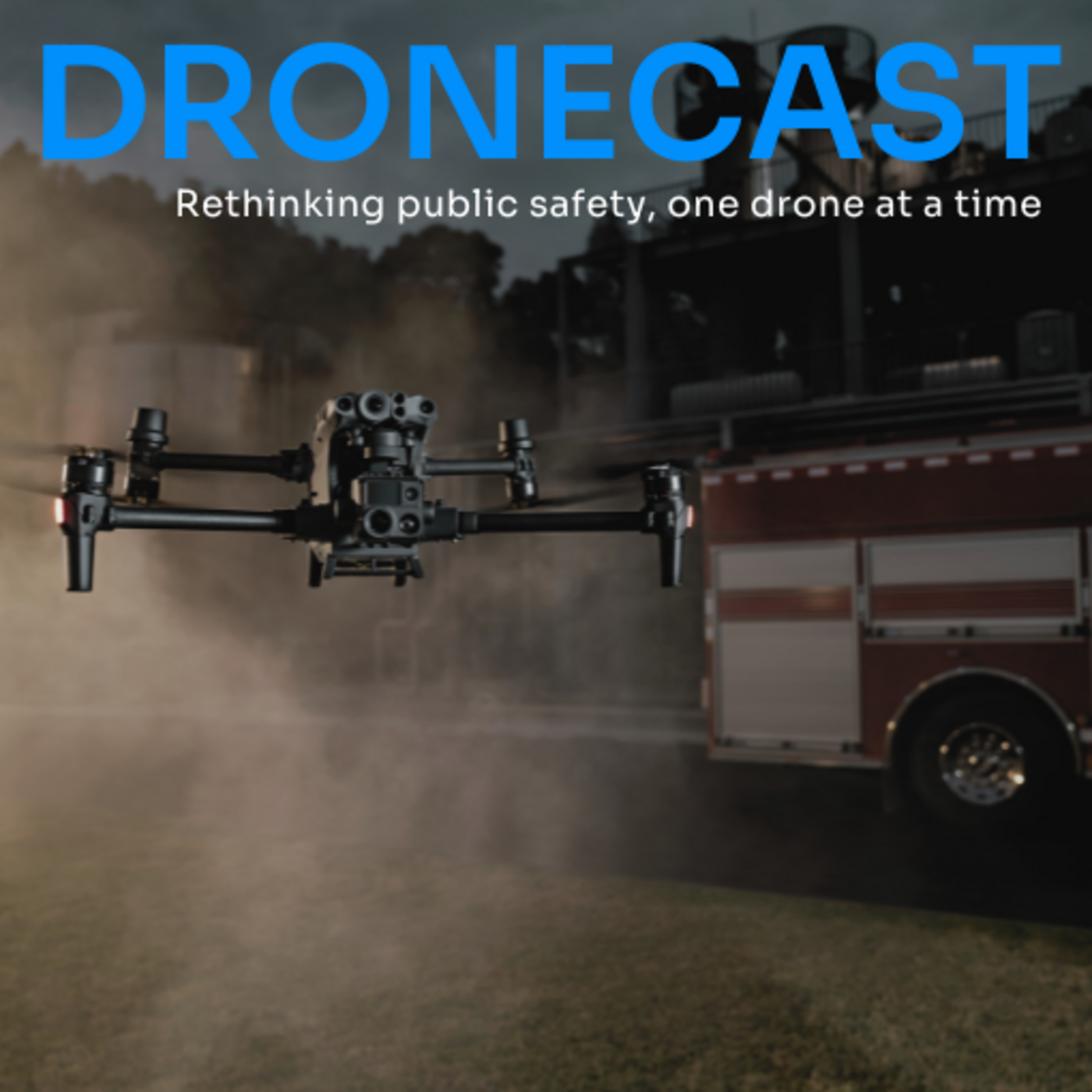
In this episode of DroneCast: Rethinking Public Safety, One Drone at a Time, host John McLeod speaks with Philip Miller, Medicolegal Death Investigator at the Oklahoma Office of the Chief Medical Examiner. They discuss the pioneering use of drones in medicolegal death investigations, how aerial mapping drastically cuts scene processing time, enhances team safety, and improves interagency collaboration, as well as the importance of community engagement to demystify drone operations.
Original Recording Date: April 3, 2024
Host John McLeod sits down with Philip Miller, a Medicolegal Death Investigator with the Oklahoma Office of the Chief Medical Examiner. Believed to operate one of the nation's premier full-scale drone programs housed within a state medical examiner’s office, Philip shares his journey from childhood aviation dreams to integrating specialized UAS technology into death scene processing.
Host John McLeod sits down with Philip Miller, a Medicolegal Death Investigator with the Oklahoma Office of the Chief Medical Examiner. Believed to operate one of the nation's premier full-scale drone programs housed within a state medical examiner’s office, Philip shares his journey from childhood aviation dreams to integrating specialized UAS technology into death scene processing.
The conversation focuses on the practical benefits that drones offer medicolegal investigators, ranging from mapping fatal crash scenes with centimeter accuracy in minutes to using thermal payloads to locate scattered evidence or victims. Philip outlines how livestreaming feeds via DroneSense allows off-site doctors and command staff to gain immediate situational awareness and first-person fly-through views of complex scenes. Furthermore, he addresses key challenges early adopters face, such as regulatory compliance, program communication, and overcoming public surveillance fears through proactive community engagement.
Why This Episode Matters Today:
As public safety agencies expand their drone operations, medicolegal death investigation represents a critical, emerging frontier. Philip Miller’s work demonstrates how integrating aerial imagery into death investigations speeds up scene clearance, protects field personnel in dangerous environments, and provides unprecedented documentation accuracy for medical examiners, families, and the justice system.
Episode Highlights:
- [01:37] In his role as a medicolegal death investigator, Philip blends medical and legal expertise to examine deaths that may require legal examination. From answering sudden calls to examining scenes, each day brings new challenges. Philip values being a voice for those who can no longer speak and finds deep fulfillment in providing answers to grieving families. Despite the often-overlooked nature of their work in public safety, Philip and his colleagues play an honorable role in justice and community service.
- [08:42] Philip recounts his journey with drones, starting modestly with a Mavic 2 Pro to avoid hefty initial investments. His drone operations have since expanded with the acquisition of a more advanced Matrice 30T supported by state chief Dr. Pfeifer, which became key for diverse operations, from helping night-time investigations with thermal imaging to assessing disaster impacts across the state.
- [19:46] Implementing a drone program comes down to knowing the legalities and operational guidelines. Philip advises newcomers to thoroughly understand what they can and cannot do legally and to foster good relationships with local agencies. This network will not only provide you with vital support but also aid in efficient communication, ensuring timely operations and effective use of resources, which are essential for a successful drone program.
Episode Resources:
Dronecast: Rethinking Public Safety, One Drone at a Time Podcast is handcrafted by our friends over at: fame.so
Previous Guests include: Matt Rowland, Jason Burnside
Check out our 3 most downloaded episodes:
Previous Guests include: Matt Rowland, Jason Burnside
Check out our 3 most downloaded episodes: