Is Your Skincare Backed by Science or TikTok? ft. Ron Robinson
November 3, 2026
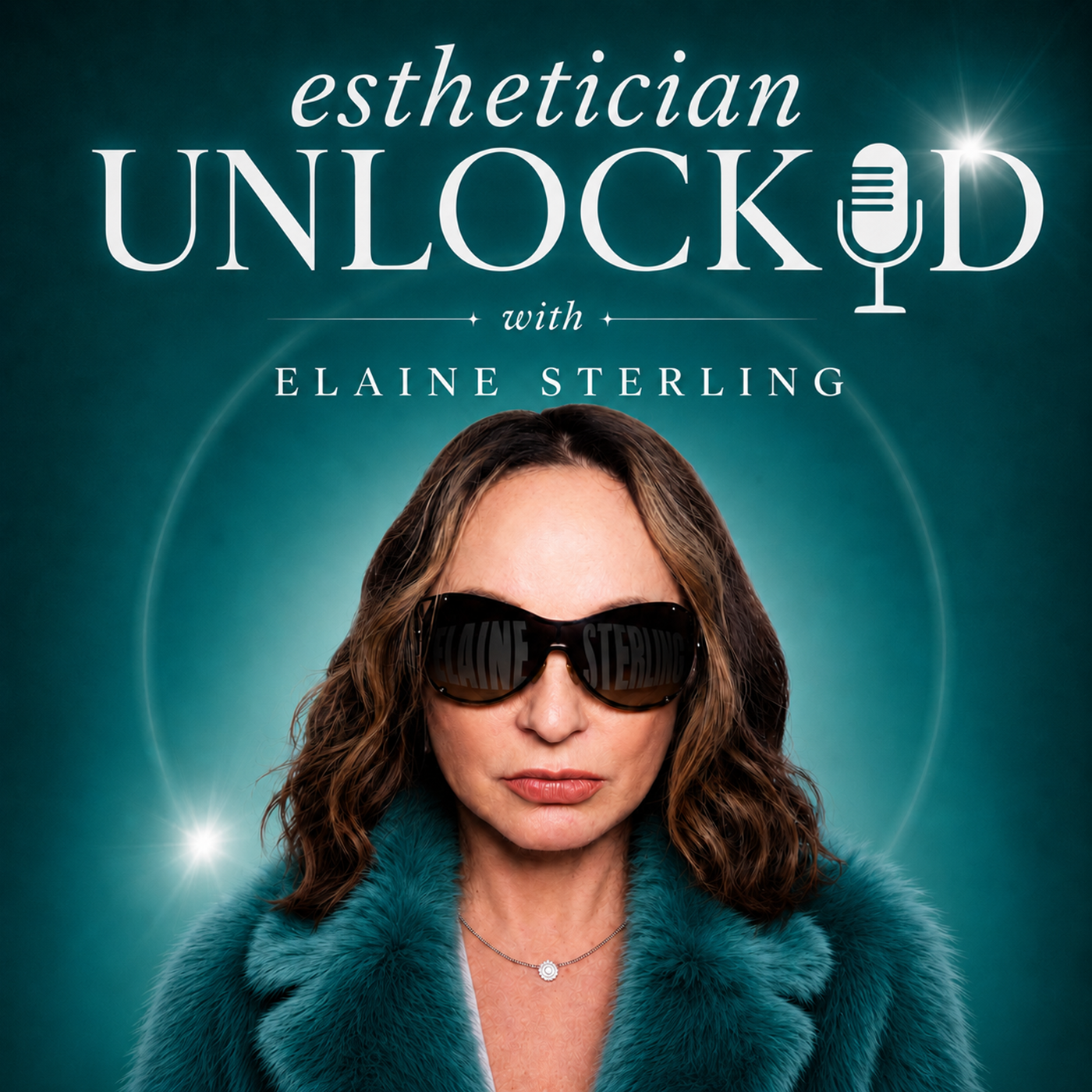
If you haven’t learned by now that viral ingredients don’t guarantee great skin, this episode will teach you (with science you can’t deny).
In this episode of Esthetician Unlocked, Elaine Sterling sits down with Ron Robinson, cosmetic chemist, Founder and CEO of BeautyStat Cosmetics and founding cosmetic chemist behind Rhode, to separate skincare science from some very expensive marketing. From stabilized vitamin C and hyperpigmentation in melanin-rich skin to beef tallow, exosomes, sunscreen and the skin barrier crisis, Ron brings decades of formulation expertise to a beauty industry that could use fewer miracle claims and a lot more clinical evidence.
Exosomes, beef tallow, salmon sperm - the beauty industry has a new miracle ingredient every other Tuesday.
And, the marketing is fabulous, but the science is nowhere to be seen.
In this episode of Esthetician Unlocked, Elaine Sterling sits down with Ron Robinson, cosmetic chemist, Founder and CEO of BeautyStat Cosmetics, and founding cosmetic chemist behind Hailey Bieber's Rhode, to discuss what actually makes skincare effective. From a fascinating breakdown of Vitamin C (and why it may be failing you) and why melanin-rich skin requires careful management of inflammation to the importance of clinical evidence in skincare, Rob and Elaine cover it all.
What You'll Learn:
- How Ron went from medical school dropout to cosmetic chemist and beauty entrepreneur
- Why pure L-ascorbic acid is notoriously difficult to stabilize
- How BeautyStat's encapsulation technology helps protect its 20% vitamin C formula
- Why melanin-rich skin requires particular care around inflammation and hyperpigmentation
- How vitamin C supports antioxidant protection, collagen production, and more even-looking skin
- Why Ron remains skeptical of the claims surrounding exosomes, beef tallow, and other viral ingredients
- Why skin barrier repair deserves priority over aggressive exfoliation
- Why Ron prefers a small, intentional product line instead of launching endless SKUs
- Why Ron believes expertise and education will help define the next era of beauty
This conversation proves that a skincare ingredient can only be labelled effective if the formulation, evidence, and client's actual skin needs come through. Not just because the internet said so.
About Ron:
Ron Robinson is a cosmetic chemist and the Founder and CEO of BeautyStat Cosmetics, a skincare company focused on science-backed formulations and product innovation. With more than 35 years of beauty industry experience, Ron has worked with leading brands including Clinique, Estée Lauder, Revlon, Avon, and L'Oréal. Most recently, he served as the founding cosmetic chemist behind Hailey Bieber's Rhode.
After years of researching and formulating ways to stabilize pure L-ascorbic acid, Ron developed BeautyStat's Universal C Skin Refiner, a 20% vitamin C product designed to address the ingredient's notorious instability.
Through his work as a formulator, entrepreneur, and skincare educator, Ron advocates for ingredient transparency, clinical evidence, and products developed around genuine skin needs rather than marketing trends.
Episode Resources:
- Ron Robinson on LinkedIn
- BeautyStat Cosmetics Website
- BeautyStat Blog
- Clinically Speaking with Ron Robinson, Cosmetic Chemist on Substack
- Elaine Sterling on LinkedIn
- Elaine Sterling Institute on LinkedIn
- Elaine Sterling Institute School Ad
Episode Highlights:
06:41 The Vitamin C Problem Ron Spent Years Solving
Pure L-ascorbic acid has strong research behind its skincare benefits, but keeping it stable is notoriously difficult. Ron explains how vitamin C can oxidize, discolor, and develop that infamous smell he compares to hot dog water. His answer was to develop an encapsulation system for BeautyStat's Universal C Skin Refiner, protecting its 20% pure vitamin C until application. His formulation story shows why the percentage printed on the packaging tells you very little without understanding what happens to the ingredient inside the bottle.
11:56 Melanin-Rich Skin Needs Finesse, Not Fear
Ron explains why inflammation deserves particular attention when treating deeper skin tones. Irritation can trigger post-inflammatory hyperpigmentation, creating the very dark spots a client is trying to address. The goal isn't avoiding exfoliation, collagen-supporting ingredients, or effective treatments. It's delivering results while managing irritation. For estheticians, the lesson is to understand skin response rather than automatically equating aggressive treatment with better results.
18:27 Viral Ingredients Need Clinical Evidence
Exosomes, beef tallow, and salmon sperm may be enjoying their moment in beauty marketing, but Ron isn't rushing to crown them skincare royalty. He questions whether exosome products have demonstrated advantages over existing ingredients and challenges the sunscreen and anti-aging claims being made about beef tallow. His point isn't that every emerging ingredient should be dismissed. It's that claims need evidence. A dramatic before-and-after video does not settle the science.
40:10 Three Questions Before You Buy Another Serum
Ron offers a simple checklist for evaluating skincare products. First, look for independent clinical testing. Second, read reviews from people who have actually purchased and used the product. Third, try a sample to understand the texture and experience. It's not an elaborate research framework, but it forces consumers and professionals to move beyond packaging, influencer endorsements, and the latest ingredient obsession. Before recommending something, establish whether there's a credible reason to believe it works.
Esthetician Unlocked is handcrafted by our friends over at: fame.so