Eyes in the Sky: Scaling Drone Programs Without Losing Public Trust
June 2, 2026
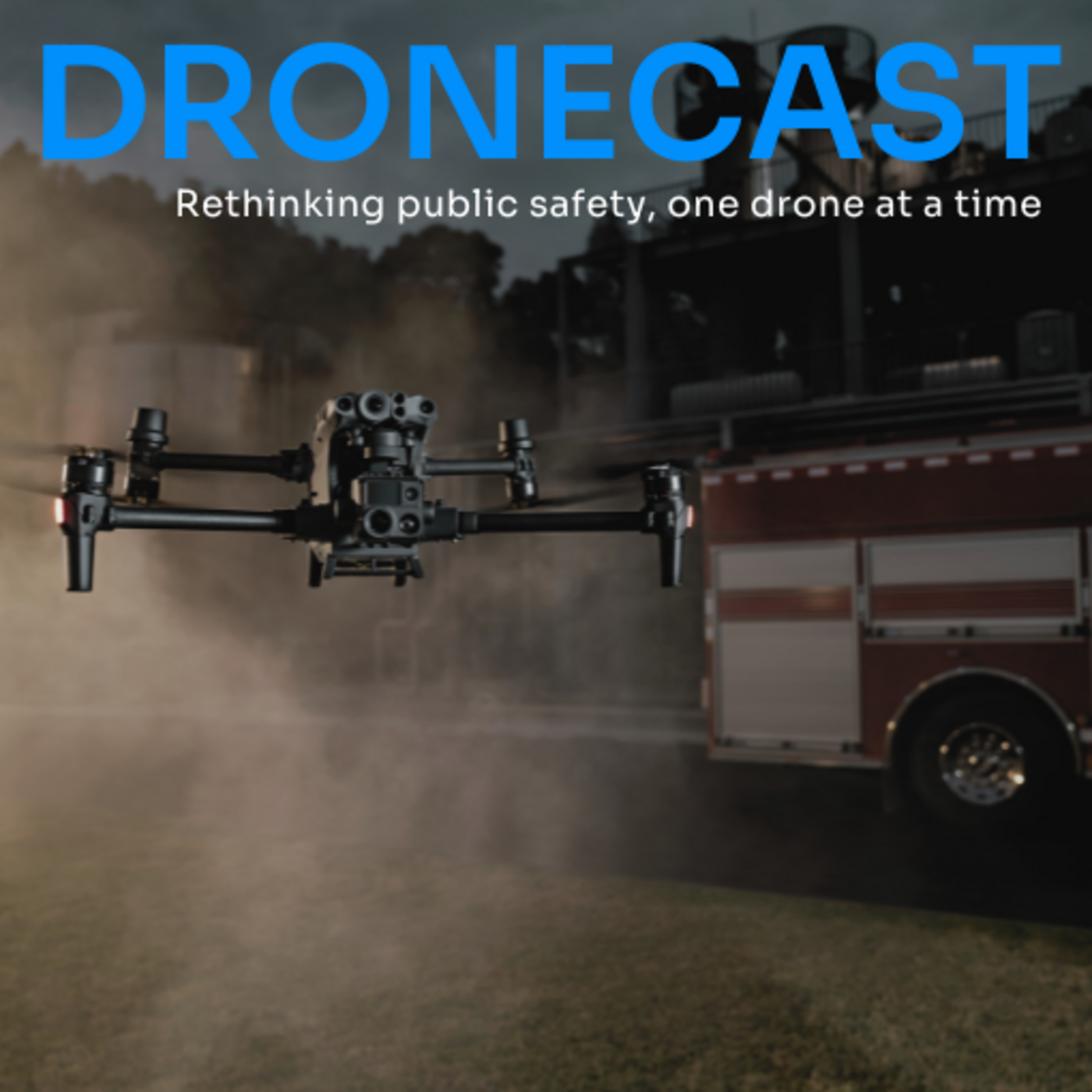
In Part 2 of this deep-dive conversation, UAS instructor and tactical operations expert David Naranjo continues his discussion on DroneCast to explore the friction between advanced drone capabilities and community expectations. From breaking down advanced tactical maneuvers like the "360-degree punch clear" to addressing the massive wave of AI integration on the horizon , this episode provides a realistic roadmap for agencies looking to scale their fleets responsibly without losing public trust.
As drone technology transitions from a novel law enforcement tool to an absolute operational necessity, agencies face a dual challenge: maximizing tactical efficiency while maintaining tight community partnerships. In this episode, David Naranjo balances the practical mechanics of drone integration with the strategic decisions facing modern public safety leadership.
David pulls back the curtain on how to bridge the gap between isolated UAS teams and active SWAT units through collaborative scenario training. He walks listeners through concrete tactical frameworks, explaining why a minimum of two drones is preferred to safely clear an interior structure and how standardizing pilot proficiency with NIST flight courses builds an unshakeable foundation for airborne operations.
The conversation also addresses the critical financial and ethical questions of modern deployment. David highlights a powerful cautionary tale about agencies over-buying heavy machinery when agile fleets are required. He also confronts the impending "sci-fi" reality of automated AI suspect spotting , emphasizing that the key to a successful modern drone program isn't just having the best hardware—it’s proactively establishing policy transparency with the citizens you serve.
What You'll Learn:
- SWAT & UAS Integration: Why joint scenario training between separate drone teams and tactical operators is vital to true operational success.
- The Double-Drone Standard: The tactical risk of running solo interior operations and how a two-drone system maps out and holds tight structures.
- The NIST Blueprint: How standardized testing lanes from NIST build foundational pilot proficiency and form a pathway toward agency certification.
- DFR and Remote Teleoperation: The shift toward DFR (Drone as First Responder) solutions controlled via keyboard and mouse, plus the value of remote training environments.
- Mission-Centric Fleet Budgeting: How to align purchasing decisions with specific regional mission sets rather than simply buying the flashiest or most expensive systems on the market.
- Community-First AI Policy: Real-world strategies for introducing cutting-edge AI and data tracking without alienating public trust.
Helpful Links:
- Fill out the Audience Form here.
- Explore more episodes and insights on the official DroneCast website: https://www.dronesense.com/dronecast
- Ready to launch or enhance your drone program? Get Started with DroneSense today!
- Parrot, ANAFI UKR Tech Sheet: https://5n8jp.share.hsforms.com/2oWfNvmGLRCeKUWcJGtFbBg
Episode Highlights:
- [00:00:49] Breaking the Silos: A discussion on the organizational challenge of having SWAT and UAS operating as separate entities and why integrated training is required to unlock full capability.
- [00:02:57] Interior Clearing Tactics: A breakdown of how clearing a house with a drone mirrors human room-clearing, utilizing concepts like "pieing" doorways and "running the walls".
- [00:06:26] Evaluating Performance via NIST: How standardized testing lanes allow agencies to objectively compare gimbal speed, camera quality, and operator proficiency before deployment.
- [00:09:39] Training DFR via Teleoperations: The upcoming frontier of testing DFR solutions from remote locations and how keyboard-and-mouse setups are shortening the pilot learning curve.
- [00:15:10] Defining Your Mission Sets: Why agencies must identify their core operational goals (overwatch vs. interior flight) before allocating a single dollar of budget.
- [00:17:31] The Reality of American-Made Drones: A candid look at balancing NDAA compliance and price points with the foundational need for field reliability.
- [00:20:37] Strategic Docking Stations: Looking 5 to 10 years into the future where strategically placed drone docks on infrastructure like fire stations create blanket city coverage.
Dronecast: Rethinking Public Safety, One Drone at a Time Podcast is handcrafted by our friends over at: fame.so
Previous Guests include: Matt Rowland, Jason Burnside
Check out our 3 most downloaded episodes:
Previous Guests include: Matt Rowland, Jason Burnside
Check out our 3 most downloaded episodes: