The Future of First Response: Why 75% of Lives Could Be Saved with Drone Technology
December 16, 2025
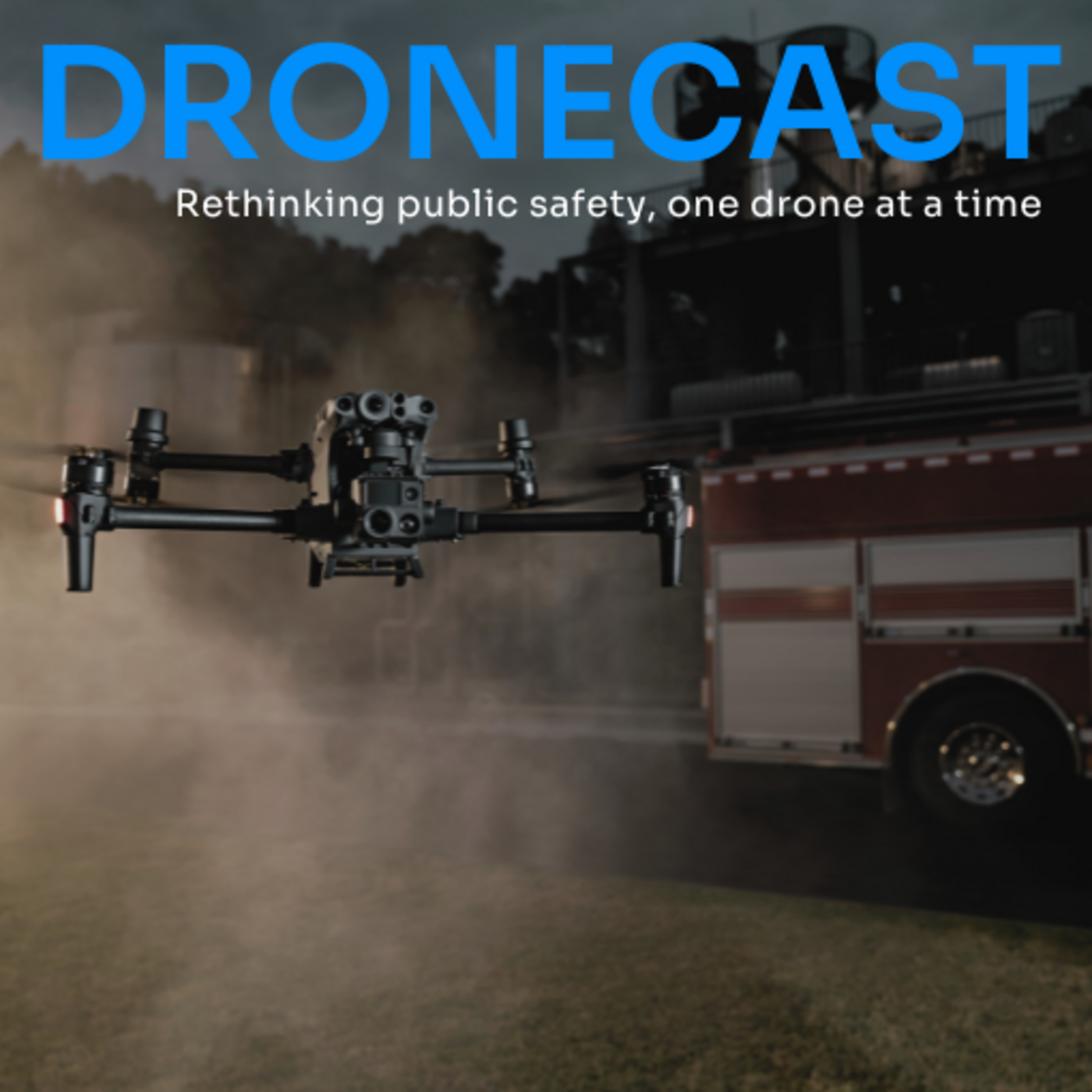
In this eye-opening episode of DroneCast, host Joe Kearns sits down with Michael Hill, a trailblazer in drone technology and public safety, to discuss the transformative impact drones are having on emergency response. From his early days with a toy Batman drone to becoming a certified UAV pilot in three countries, Michael offers invaluable insights into the integration of drones in search and rescue operations, the obstacles facing public safety departments, and the future of unmanned aerial systems. Learn how emerging technologies like AI and autonomous flight are revolutionizing emergency response and hear practical advice for departments aiming to establish their own drone programs. This episode is a must-listen for first responders, drone enthusiasts, and public safety professionals looking to understand the powerful role drones are playing in saving lives and reshaping emergency services.
In this captivating episode of DroneCast, host Joe Kearns III speaks with Michael Hill, a drone technology expert with more than two decades of experience in public safety. They dive into the evolution of drone technology, from search and rescue missions to emergency medical response, while discussing the current challenges and future opportunities in the field. Michael, who is a certified UAV pilot in three countries, shares how drones are improving the speed and effectiveness of emergency responses, as well as the role of AI and autonomous systems in advancing drone capabilities. The episode also touches on practical strategies for departments looking to start or grow their drone programs, including overcoming training and funding barriers. Michael highlights the importance of standardized training, public trust, and transparent communication to ensure the successful integration of drones into emergency services. The conversation also looks ahead to future innovations, including medical deliveries and expanded uses for drones in public safety.
Michael Hill is a pioneering figure in the drone and public safety landscape. With experience ranging from his work at Microsoft to leadership roles in search and rescue and drone integration, Michael has trained and certified hundreds of remote pilots and advised on cutting-edge applications like drone medical deliveries. His company, Uncrude Aerospace, continues to push innovation while supporting first responders through education, advocacy, and operational guidance. His broad expertise and passion for the field make him a trusted voice in drone technology.
This episode is packed with valuable insights for agencies and individuals interested in launching or scaling drone operations. Whether you're navigating limited budgets, seeking to build public trust, or exploring new use cases, this conversation offers a roadmap for using unmanned aerial systems to improve emergency response and save lives.
What You'll Learn:
- How drones are transforming emergency response, enhancing situational awareness and reducing response times
- Why education, transparency, and community engagement are essential for effective drone program implementation
- The critical role of AI and autonomous systems in enhancing drone capabilities for public safety operations
- How smaller departments can make the most of drone technology despite budget constraints
- The importance of standardized training and certification to ensure safe and effective drone operations
- How to foster public trust and combat misinformation surrounding drones in emergency services
- The future of drones in emergency medical services, including the potential for medical deliveries and patient monitoring
- The significance of U.S.-based innovation in drone manufacturing for supporting first responders
Helpful Links:
- Fill out the Audience Form here.
- Explore more episodes and insights on the official DroneCast website: https://www.dronesense.com/dronecast
- Ready to launch or enhance your drone program? Get Started with DroneSense today!
- Parrot, ANAFI UKR Tech Sheet: https://5n8jp.share.hsforms.com/2oWfNvmGLRCeKUWcJGtFbBg
Episode Highlights:
- 11:30] Lifesaving Drone Applications in Emergency Response
Michael Hill shares his experience working with a Norwegian company that used drones to deliver defibrillators, achieving up to 80% survival rates when reaching patients within minutes. The system included two-way communication allowing dispatchers to guide people through using the defibrillator, demonstrating how drones can provide critical medical support. This innovation addresses the challenge of rapid response times in medical emergencies, especially in hard-to-reach areas. The technology allows immediate eyes on the situation while medical teams are en route, with the drone's ability to deliver life-saving equipment providing crucial early intervention. For emergency responders, this capability transforms traditional response methods by combining speed, accuracy, and direct assistance. - [31:36] Building Public Trust Through Transparency
During the COVID-19 pandemic, Michael's team used drones at the Texas Motor Speedway FEMA facility for crowd monitoring and vehicle counting, demonstrating practical applications of drone technology. Their transparent approach helped the public understand and accept drone operations by clearly communicating their purpose and benefits. This strategy directly addresses common misconceptions about drone surveillance and privacy concerns. By actively engaging with the community and showing real-world applications, they built trust and support for drone programs. The success of this approach shows how transparency and education can transform public perception of drone technology in emergency response. - [40:07] Securing Support for Public Safety Drone Programs
Michael emphasizes the importance of educating public officials and city managers about the concrete benefits of drone technology in emergency response. He recommends focusing on demonstrating real-world applications and success stories from around the globe to justify program funding. This approach helps overcome the common perception of drones as mere toys rather than essential public safety tools. By highlighting how drones enhance officer safety and public service capabilities, agencies can better justify investment in drone programs. The key is consistently showing how drone technology directly improves emergency response capabilities and community safety. - [50:27] Getting Started in Public Safety Drone Operations
Michael advises newcomers to start by studying for their Part 107 license to understand the fundamentals of operating in national airspace. He emphasizes the importance of understanding both the technology's capabilities and its regulatory framework before implementation. This foundation helps agencies develop effective and compliant drone programs from the start. The next step is connecting with local first responders to learn about existing programs and identify opportunities for collaboration. Success comes from combining technical knowledge with community engagement and practical application in public safety scenarios.
Episode Resources:- Michael Hill on LinkedIn
- Joe Kearns on LinkedIn
- Get started with Dronesense
- Parrot, ANAFI UKR Tech Sheet: https://5n8jp.share.hsforms.com/2oWfNvmGLRCeKUWcJGtFbBg
Dronecast: Rethinking Public Safety, One Drone at a Time Podcast is handcrafted by our friends over at: fame.so
Previous Guests include: Matt Rowland, Jason Burnside
Check out our 3 most downloaded episodes:
Previous Guests include: Matt Rowland, Jason Burnside
Check out our 3 most downloaded episodes: