Navigating SQL Server Licensing and Windows Server Strategies
June 18, 2026
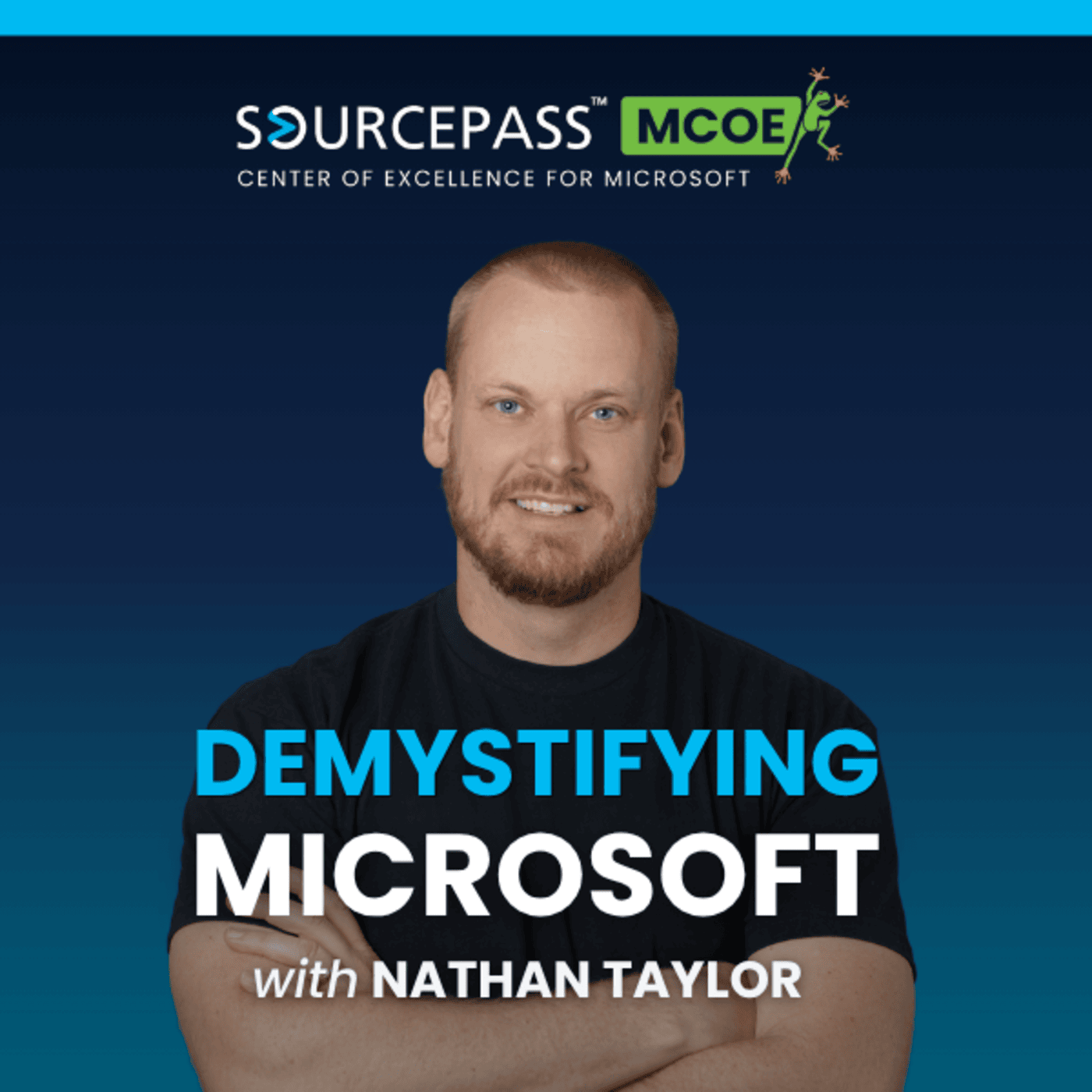
As Microsoft moves away from legacy Open License programs toward the Cloud Service Provider (CSP) model, IT leaders must understand how to optimize their spend. This episode talks about the transition to subscription-based licensing, the financial impact of Azure Hybrid Use Benefit, and how tools like Azure Arc and Azure Local provide flexibility for on-premises and hybrid environments. Join hosts Nathan Taylor and Lindsay Cowan from Sourcepass MCOE as they untangle the complexities of Windows Server and SQL Server licensing.
Navigating the Microsoft licensing landscape often feels like deciphering a secret code, especially the Cloud Service Provider (CSP) program. As Microsoft retires legacy Open License programs, IT leaders must delineate moving toward modern Cloud Service Provider (CSP) subscriptions to unlock significant cost savings for Windows and SQL Server environments via the Azure Hybrid Use Benefit.
In this episode, Nathan Taylor and Lindsay Cowan from the Sourcepass Center of Excellence for Microsoft break down the transition from legacy OEM and Open License models to modern subscription-based strategies. We dive deep into the nuances of core-based licensing, the "honor system" of CALs, and why the move to CSP offers unprecedented management clarity via the Microsoft Admin Portal.
The conversation moves beyond basic compliance into strategic cost-saving opportunities like Azure Hybrid Use Benefit, which can slash cloud costs by up to 50%. We also explore how Azure Local and Azure Arc extend modern management to on-premises workloads while addressing the looming end-of-support deadlines for Server 2012 and Windows 10.
What You’ll Learn:
- The fundamental differences between perpetual and subscription CSP models.
- How to calculate core minimums for Windows and SQL Server environments.
- Why Azure Hybrid Use Benefit is the most overlooked cost-saving tool in Azure.
- Strategies for managing legacy server compliance using Azure Arc.
- The benefits of Azure Local for high-performance, on-premises workloads.
- How to leverage downgrade rights to support older line-of-business applications.
About the Hosts:
Lindsay Cowan is a Senior Manager of Sales and Business Development at Sourcepass MCOE, a company focused on helping organizations simplify, secure, and optimize their Microsoft environments. With over a decade in the Microsoft ecosystem, she specializes in helping organizations maximize their investment in Windows and SQL Server technologies through strategic licensing and cloud adoption.
Nathan Taylor is the Senior Vice President and Global Microsoft Practice Leader at Sourcepass, where he leads the Sourcepass Center of Excellence for Microsoft. His work is grounded in a simple idea: Microsoft should not be complicated. By removing complexity, confusion, and frustration from the Microsoft ecosystem, Nathan helps organizations focus on outcomes while getting the most from their Microsoft investment.
Episode Highlights:
[00:04:00] The Shift to CSP Subscription Models
Microsoft is moving away from legacy "one-time purchase" models toward subscription-based licensing that offers ongoing upgrade rights. This shift provides IT leaders with greater flexibility to adjust core counts as their server infrastructure scales up or down.
[00:08:30] Decoding the Core Licensing Minimums
Understanding physical core requirements is essential to stay in compliance, starting with an eight-core minimum per processor and 16 per server. These rules change slightly in Azure, where an eight-core minimum applies to even the smallest virtual machines.
[00:14:00] SQL Server: Cores vs. CALs
The decision between licensing by user CALs or by physical cores usually hinges on a "tipping point" of around 25 to 30 users. Organizations with public-facing apps or large internal teams often find the per-core model more cost-effective and easier to manage.
[00:17:00] Unlocking Azure Hybrid Use Benefit
By using CSP subscriptions instead of pay-as-you-go licensing in Azure, businesses can reduce their cloud compute costs by 20% to 50%. This financial advantage makes CSP the primary choice for any organization running Windows Server workloads in the cloud.
[00:20:00] Modernizing On-Prem with Azure Local
Azure Local allows companies to run the Azure codebase in their own data centers, providing a secure way to manage legacy applications without open ports. It enables features like AVD on-prem, which combines the security of cloud login with the performance of local hardware.
[00:23:00] Managing Compliance through Azure Arc
For IT leaders who have lost track of legacy keys, Azure Arc acts as a management layer that brings on-premises servers into the Azure portal. It provides a clear path to licensing compliance and facilitates extended security updates for aging systems like Server 2012.
Episode Resources:
If Microsoft licensing is creating friction, let’s talk. We’ll review your environment and help you get clear on what matters, and what doesn’t. Contact us here: https://sourcepassmcoe.com/demystifying-microsoft-contact?utm_source=podcast&utm_medium=show-notes&utm_campaign=demystifying-microsoft-show
Lindsay Cowan on LinkedIn
Nathan Taylor on LinkedIn
Lindsay Cowan on LinkedIn
Nathan Taylor on LinkedIn
Demystifying Microsoft is handcrafted by our friends over at: fame.so