How to Build a Law Practice That Doesn't Depend on Billable Hours ft. Steven J. Shanker, Esq.
November 3, 2026
How long can firms keep charging clients for the hours that work used to take?
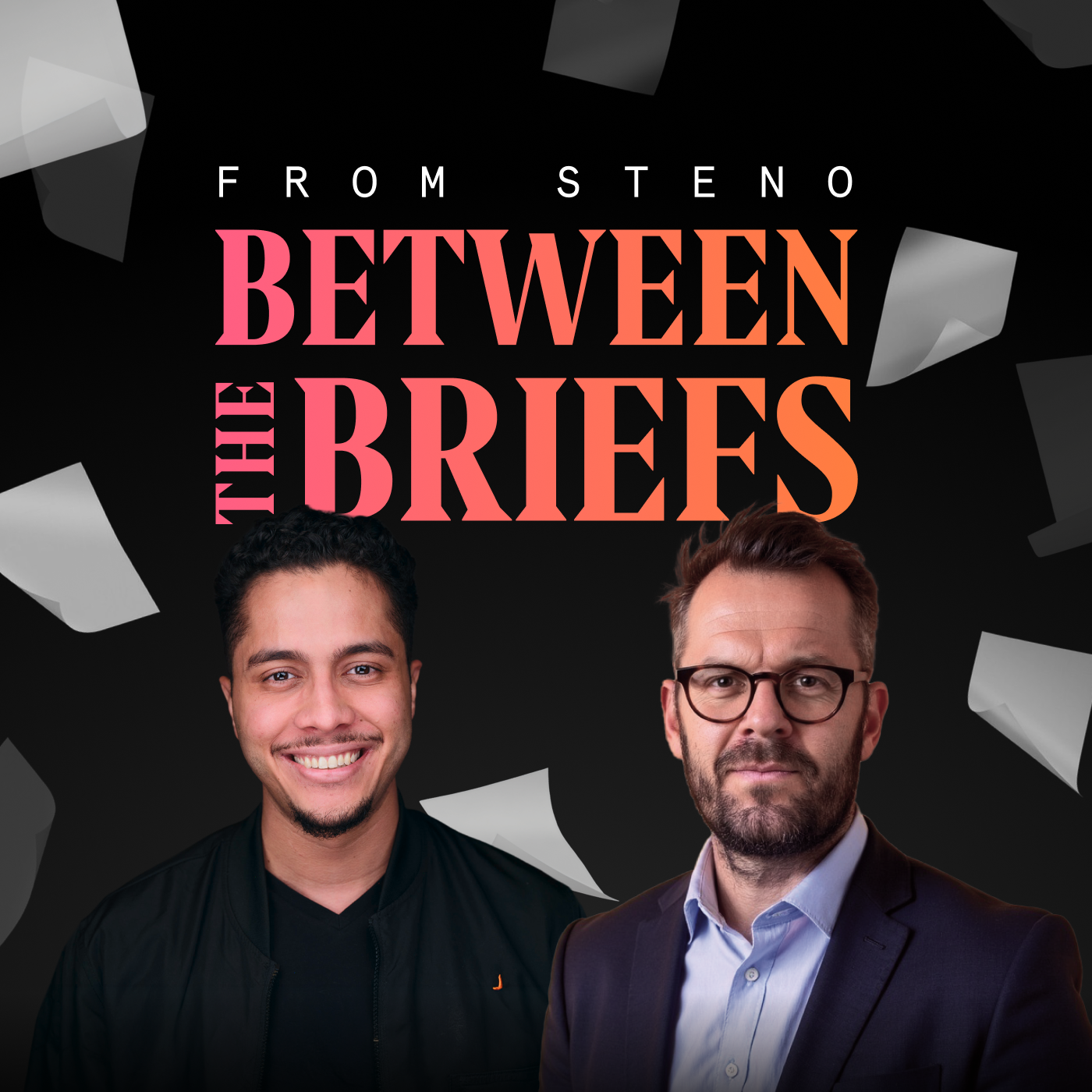
In this episode of Between the Briefs by Steno, Adrian Cea and Joe Stephens sit down with Steven J. Shanker, Esq., Partner and Head of Corporate Law at Romano Law, to discuss why he believes the billable hour is approaching its end, how alternative fee arrangements can change attorney-client relationships, and why preventative legal counsel deserves greater attention. Steven also shares his experience with worker classification litigation, the legal risks of AI-generated documents and why developing sound judgment in younger attorneys still requires real-world experience.
In the age of AI, firms built around billable hours need to have an uncomfortable conversation.
In this episode of Between the Briefs by Steno, Adrian Cea and Joe Stephens sit down with Steven J. Shanker, Esq., Partner and Head of Corporate Law at Romano Law, to discuss why he believes AI could accelerate the end of hourly billing and what it takes to build a legal practice around judgment, efficiency, and ongoing client relationships instead.
What You'll Learn:
- How Romano Law offers flat-fee alternatives for both discrete legal projects and ongoing counsel relationships
- Why alternative fee arrangements can encourage clients to contact their lawyers before problems escalate
- How to scope and price legal work without relying exclusively on hourly billing
- Why efficient work habits matter even when a firm isn't billing by the hour
- Why worker classification depends on the actual working relationship, not merely the contract's label
- How direction and control can affect employee-versus-independent-contractor analysis
- Why misclassification claims can expose employers to taxes, damages, penalties, and attorney-fee liability
- Why Steven supports exploring an intermediate category for independent workers
- How Steven mentors junior lawyers through practical experience, efficiency, and courtroom exposure
At the center of the episode lies a big prediction: lawyers who refuse to experiment with alternatives to hourly billing may discover that their clients are perfectly willing to find firms that will.
Highlights:
- 00:44 Meet Steven Shanker: Corporate Law, Litigation, and Risk Prevention
- 01:47 How Steven Entered New York's Worker Classification Litigation
- 02:47 How Workers' Compensation Experience Shaped His Legal Specialty
- 03:38 What Determines Employee vs. Independent Contractor Status?
- 04:09 Why Direction and Control Matter More Than Contract Labels
- 07:14 Should Lawyers Be Doctors or Firefighters for Their Clients?
- 07:37 How Preventative Outside Counsel Can Reduce Litigation Risk
- 08:49 Why Employment Lawyers Need to Watch Classification Cases Nationwide
- 09:58 Does Steven Still Charge Clients by the Hour?
- 10:11 How Steven Prices Flat-Fee and Outside General Counsel Services
- 12:23 Is AI Finally Making the Billable Hour Obsolete?
- 12:50 Why Steven Thinks Clients Will Stop Paying for Manual Contract Reviews
- 14:08 What Businesses Get Wrong About Independent Contractor Agreements
- 14:22 Why a Signed Contractor Agreement May Not Protect an Employer
- 16:09 Does the Gig Economy Need a Third Worker Classification?
- 16:18 Steven's Case for an Independent Worker Category
- 17:09 Why Companies Accept Worker Misclassification Risk Despite Legal Advice
- 17:31 When Business Strategy Overrides a Lawyer's Risk Assessment
- 18:30 How Do Lawyers Sell Preventative Services Before a Lawsuit?
- 19:05 Turning Litigation Clients Into Ongoing General Counsel Relationships
- 21:02 How Should Firms Train Lawyers for Flat-Fee Work?
- 21:30 Teaching Junior Lawyers Efficiency Without Sacrificing Quality
- 23:23 When Does a Business Need Outside General Counsel?
- 23:35 Why Even Small Companies Can Benefit From Ongoing Legal Counsel
- 25:12 When Should Outside Counsel Give Way to an In-House GC?
- 25:24 How Interim General Counsel Relationships Work
- 26:57 What Lawyers Get Wrong About Managing Client Relationships
- 27:11 Setting Boundaries, Expectations, and Trust With Clients
- 28:53 What Should Lawyers Say About Client-Generated AI Contracts?
- 29:17 Why AI Legal Documents Still Need Professional Judgment
- 30:27 How Steven Balances Legal Practice, Mentorship, and Business Development
- 30:42 Why Steven Thinks Litigators Should Understand Both Sides
- 33:44 Is AI Creating a Skills Gap for Young Lawyers?
- 34:34 Why Courtroom Skills Still Require Real-World Practice
- 35:58 Steven's Hottest Take on the Legal Industry
- 36:06 Adapt Your Billing Model or Risk Losing Clients
- 37:08 Closing Thoughts
- 38:48 About Steno and Between the Briefs
Quotes:
- “I have been and now am on a mission to eliminate the billable hour.”
- “I despise the billable hour because amongst other things, it discourages the client from calling their attorney.”
- “You can't substitute legal judgment for a computer.”
- “The lawyers who are not already doing it now are gonna be left behind.”
Between The Briefs is handcrafted by our friends over at: fame.so