Why Indigenous DMT Technology Outpaces Modern Neuroscience | Dr. Andrew Gallimore
October 22, 2026
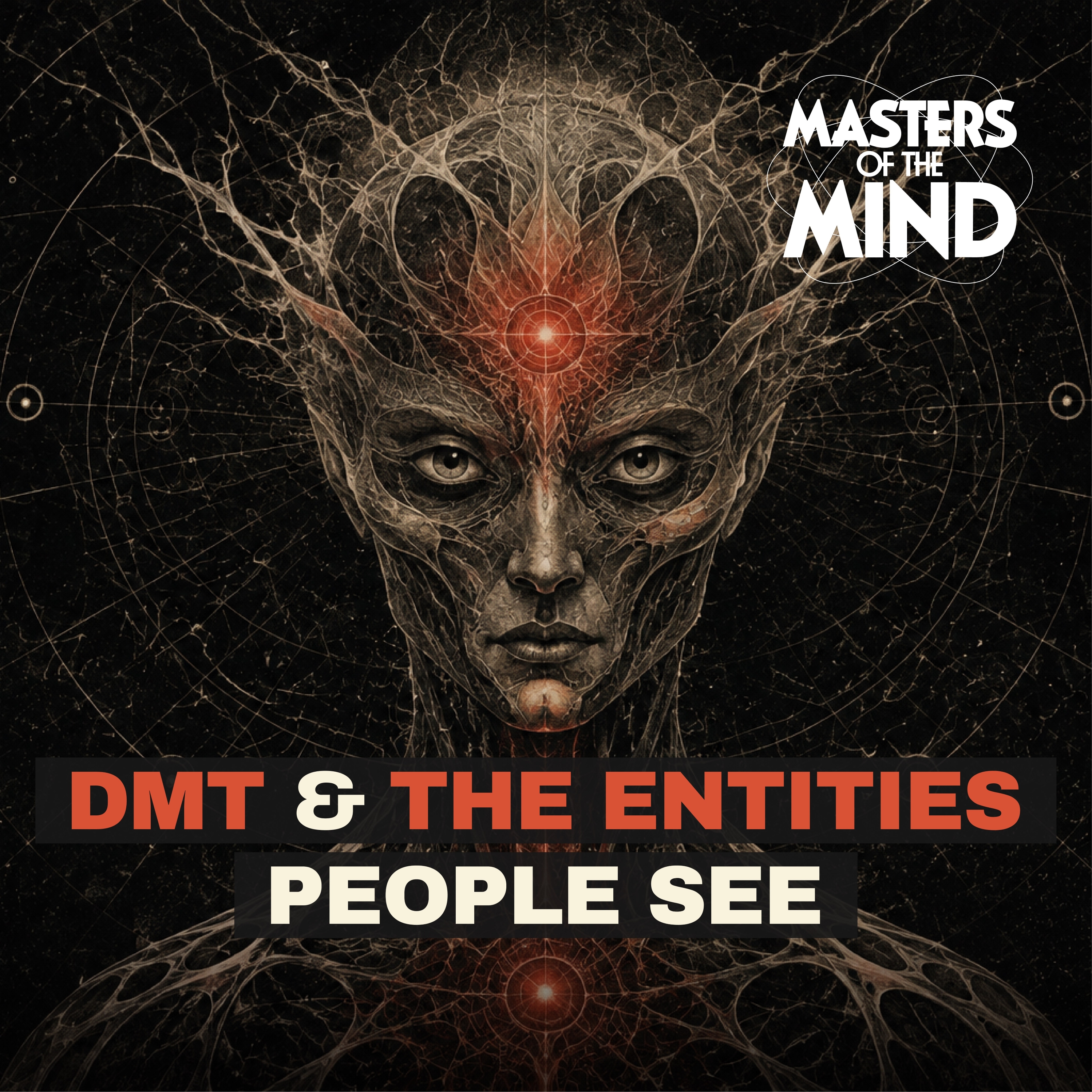
How did Indigenous Amazonian cultures discover the extraordinary chemistry behind ayahuasca long before Western science understood how it worked?
In the mini episode of Masters of the Mind, host Alexandre Tomic sits down with neuroscientist, pharmacologist and author Dr. Andrew Gallimore to explore the history of ayahuasca, from Richard Spruce's encounters in the Amazon to William Burroughs' search for the brew's missing ingredient. The conversation reveals how combining two plants creates a pharmacological effect that neither plant produces in the same way alone, and how this centuries-old knowledge connects to modern research into endogenous DMT.
Ayahuasca presents a fascinating scientific mystery: DMT, one of its key psychoactive compounds, is broken down by the body when taken orally on its own. Yet Indigenous Amazonian cultures developed a brew that allows DMT to reach the brain and produce its effects. How did they discover that combining specific plants could overcome this obstacle, long before science understood the chemistry behind it?
In this mini episode of Masters of the Mind, host Alexandre Tomic sits down with Dr. Andrew Gallimore, researcher and author specialising in DMT, psychedelics and the neuropharmacology of consciousness, to trace the history behind one of the most remarkable discoveries in plant pharmacology.
The conversation follows the story from Richard Spruce's nineteenth-century encounters with ayahuasca to William Burroughs' twentieth-century search for its missing ingredient. Along the way, Gallimore explains the role of monoamine oxidase inhibitors (MAOIs), the biochemical relationship between the plants used in ayahuasca, and why identifying a single active compound was not enough to explain the brew's effects.
The discussion also draws a striking parallel between traditional Indigenous knowledge and contemporary research into endogenous DMT, exploring how the mechanisms involved in preventing DMT breakdown in ayahuasca relate conceptually to questions about the body's own DMT system.
It's a story about pharmacology, scientific discovery, overlooked evidence and the sophistication of knowledge systems developed long before modern laboratories could explain the underlying chemistry.
What You'll Learn
- Why DMT taken orally on its own does not produce the same effects as ayahuasca, and how the combination of plant compounds changes the pharmacological picture.
- How Richard Spruce's nineteenth-century encounters with ayahuasca helped introduce Western observers to the brew.
- Why early attempts to identify a single active ingredient left scientists with an incomplete explanation.
- How monoamine oxidase inhibitors help prevent DMT from being broken down before it reaches the brain.
- What William Burroughs' search for ayahuasca's missing ingredient reveals about the history of scientific discovery and attribution.
- How Indigenous Amazonian plant knowledge connects to modern questions about endogenous DMT and enzyme inhibition.
- Why understanding interactions between compounds can be just as important as understanding the compounds themselves.
About Dr. Andrew Gallimore
Dr. Andrew Gallimore is a neuroscientist, pharmacologist and author known for exploring DMT, psychedelic experiences and the nature of consciousness. His work examines how psychedelics alter the brain's construction of reality and what unusual experiences might reveal about human perception.
His books include Alien Information Theory, Reality Switch Technologies and Death by Astonishment.
Gallimore has also worked on the concept of extended state DMT, known as DMTx, and is involved in projects including Noonautics and Eleusis, which explore future possibilities for psychedelic research and experience.
Episode Resources:
Guest and host
Dr. Andrew Gallimore on Instagram
Alexandre Tomic on LinkedIn and Instagram
Alea Website
Books by Dr. Andrew Gallimore
Alien Information Theory
Reality Switch Technologies
Death by Astonishment
Books mentioned in this episode:
Notes of a Botanist on the Amazon & Andes… - Richard Spruce
Naked Lunch - William S. Burroughs
Projects
Noonautics - nonprofit organisation supporting research discussed in this episode, including the endogenous DMT (eDMTx) project
Eleusis - Learn more about DMTx program discussed in this episode, including opportunities to participate in extended-state DMT experiences in the Caribbean
Masters of the Mind is presented by our friends over at: fame.so